


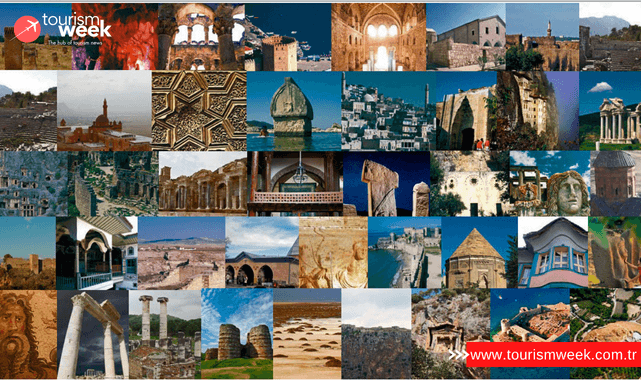
UNESCO World Heritage Sites and millennia‑old history lure visitors beyond the coasts
Turkey is experiencing a shift in its tourism landscape as cultural heritage destinations in the eastern and southeastern regions begin to attract increasing numbers of visitors, drawn by ancient archaeological sites and UNESCO World Heritage recognition. Experts say these attractions are transforming inland Turkey into a must‑visit cultural tourism hub for both domestic and international travelers.
Göbekli Tepe: From Archaeological Wonder to Global Attraction
Göbekli Tepe, near Şanlıurfa, is considered one of the oldest human‑made monumental complexes in the world, with structures dating back more than 12,000 years. It was inscribed as a UNESCO World Heritage Site in 2018 in recognition of its outstanding universal value as a pioneering example of prehistoric architecture.
Tourism officials report that the site has seen significant growth in visitor numbers, with interest growing particularly among history enthusiasts keen to trace the roots of early civilization. International tourists from Europe, the Americas and Asia are increasingly including Göbekli Tepe in their Turkey itineraries, viewing it as an essential part of global human history.
Mount Nemrut: A World Heritage Icon in South‑Eastern Turkey
Another UNESCO‑listed landmark drawing global attention is Mount Nemrut in Adıyaman province. Designated a World Heritage Site in 1987 for its monumental tumulus and colossal Hellenistic statues, Nemrut is an unparalleled archaeological and cultural destination.
Visitors gather at sunrise and sunset to witness the dramatic sculptural figures — believed to represent a fusion of Greek, Persian and local traditions — perched atop a mountain overlooking the Eastern Taurus range. Local guides report that international tour groups have increasingly added Mount Nemrut to their travel plans, particularly as part of multi‑site cultural journeys across Eastern Turkey.
Heritage Tourism Gains Momentum Beyond Beaches
While coastal “sun and sea” tourism remains strong in Turkey, tourism professionals note that cultural and heritage travel is growing at a faster pace, driven by global interest in ancient civilizations and carefully curated visitor experiences. Turkey currently boasts 22 UNESCO World Heritage Sites, many of which lie outside traditional resort areas, encouraging travelers to explore further inland.
According to state statistics, cultural tourism contributed to higher international visitor spend, with heritage sites such as Göbekli Tepe welcoming hundreds of thousands of visitors annually. Tourism officials are optimistic that this trend will continue as global travelers seek deeper, experience‑rich destinations that offer insight into human history.
Eastern Turkey’s Rising Appeal
Experts believe that the combination of UNESCO designation, archaeological significance and new tourism infrastructure is steadily placing eastern and southeastern Turkey on the global tourism map. Hotel bookings in Şanlıurfa, Adıyaman and surrounding regions have shown notable growth, especially during peak travel months, as visitors extend their stay to immerse themselves in culture, history and natural landscapes.
As demand increases, local authorities are working to improve facilities and interpretive services at these world‑class heritage sites, aiming to create a sustainable and rewarding experience for visitors from around the world.
