


The Kaçkar Mountains, ranked among the top 10 heliski destinations in the world, have been hosting this adrenaline-filled sport for 18 years. The Çamlıhemşin peaks welcome athletes from various countries for this thrilling experience.
“The Black Sea’s Natural Beauty is Mesmerizing in Both Summer and Winter”
The Black Sea region, known for its breathtaking landscapes, continues to captivate visitors not only in summer but also in winter.
While offering tranquility in every season, the Black Sea has also become one of the well-known centers for adrenaline-packed Heliskiing.
Heliski Thrill in the Black Sea Peaks
The Heliski season in the Kaçkar Mountains, where this extreme sport has been practiced for 18 years, began on January 7.
Athletes from around the world travel to Ayder Plateau in Rize’s Çamlıhemşin district to experience the thrill of Heliskiing.
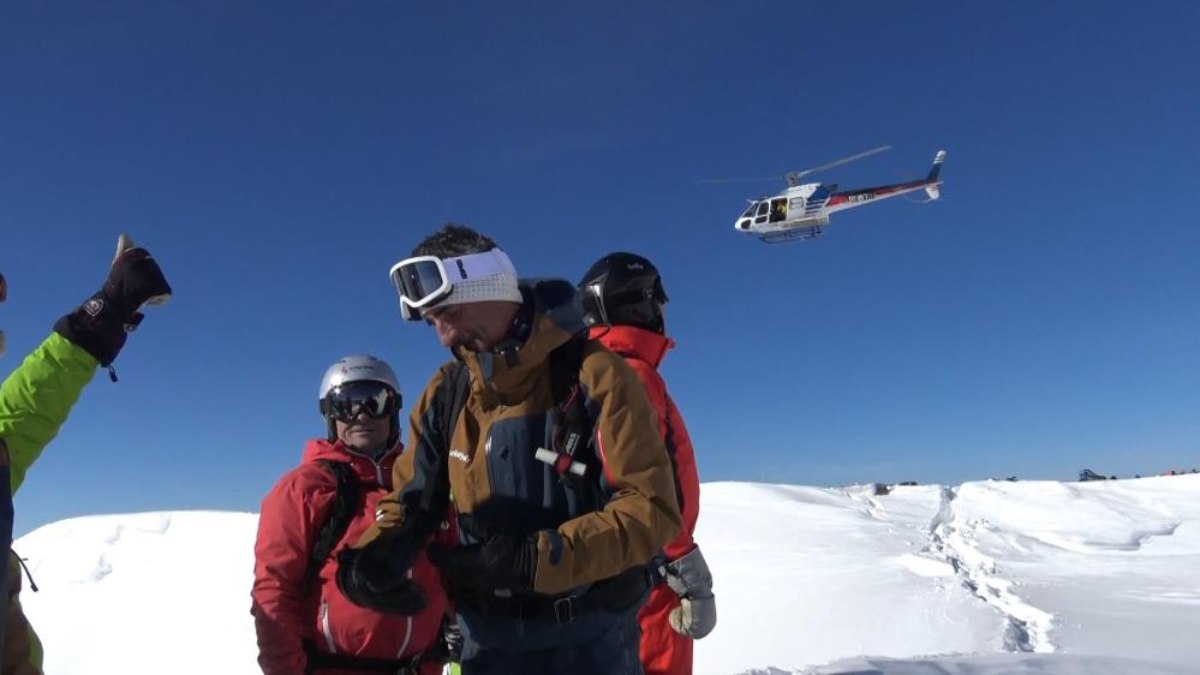
Skiers are transported by helicopter to pre-designated, untouched mountain peaks where no one has skied before. After descending through the pristine snow, they are picked up again by helicopter at the end of the route and taken back to the summits for another run.
The Kaçkar Mountains are ranked among the top 10 Heliski destinations in the world, attracting adventure-seekers from various countries.”

Security and Permit Process for Athletes
Heliskiing, considered one of the most expensive, elite, and dangerous sports in the world, requires a rigorous security and permit process.
In Turkey, for this sport to be conducted, organizing companies must obtain multiple permits from various authorities, including:
- Rize and Artvin Governorships,
- Turkish General Staff,
- General Directorate of State Airports Authority,
- General Directorate of Wildlife Conservation and National Parks,
- General Directorate of Civil Aviation.
Before flights take place, the General Directorate of Civil Aviation determines the flight routes and grants the necessary permissions.

They Receive Survival Training
Pilots assigned to the event undergo specialized training, while athletes receive survival training for remote areas and winter conditions.
To ensure safety during the course, athletes are equipped with:
- Radios for communication among themselves,
- Satellite phones,
- GPRS transmitters for location tracking,
- Maps for navigation.
Additionally, to mitigate avalanche risks, athletes ski with airbag backpacks on their backs.



